
Maca For Students
Maca for Students: Steady Energy, Focus, and Wellness for Busy School Life

Student life can ask a lot from the body and mind.
Classes, exams, reading assignments, sports, part-time work, social life, screen time, and changing sleep schedules can all add up. For many students, the challenge is not just getting through one long day. It is staying steady through an entire semester.
That is why students often look for simple ways to support energy, focus, stamina, and overall well-being.
Maca root may fit into that picture.
Maca is a traditional Peruvian root vegetable grown high in the Andes. For generations, it has been used as a nourishing food associated with vitality, stamina, resilience, and daily strength. Today, many students and busy learners use maca powder, maca capsules, or maca extracts as part of a routine built around steadier energy, better nutrition, and consistency.
Maca is not a stimulant, a study drug, or a replacement for sleep. It is not intended to treat ADHD, anxiety, depression, chronic fatigue, poor sleep, or any medical condition. But for students who are already trying to eat well, sleep better, manage stress, and stay active, maca can be a helpful food-based supplement to consider.
Quick Answer: Is Maca Good for Students?
Maca may be a good fit for students who want a simple, plant-based food to support daily energy, stamina, focus routines, and general wellness.
Students often choose maca for support with:
- Steady daily energy
- Long study days
- Mental clarity and focus routines
- Active lifestyles and sports
- Nutritional support
- Stressful academic seasons
- General vitality
- A more natural alternative to highly processed energy products
For most students, maca works best when taken consistently with food, usually earlier in the day.
The most important point is this: maca should support healthy habits, not replace them. Sleep, meals, hydration, movement, realistic study planning, and emotional support still matter most.
A Note for Parents and Younger Students
This article is mainly written for college students, adult students, and older teens with parent or guardian involvement.
For students under 18, parents or guardians should be involved in any decision to use maca or any supplement. Younger students, pregnant or nursing students, and anyone taking medication or managing a health condition should speak with a qualified healthcare professional before using maca.
Students should not use maca to push through extreme sleep deprivation, skip meals, or combine multiple energy products.
The Student Energy Problem
Many students fall into a pattern that works against their long-term energy.
They stay up late studying, wake up tired, use caffeine to push through the day, crash in the afternoon, then struggle to fall asleep again at night. Over time, this can make focus, mood, motivation, digestion, and energy feel less stable.
Maca should not be positioned as a tool for unhealthy all-nighters. In fact, the best use of maca is the opposite.
Maca fits best when it is part of a steadier daily rhythm:
- A real breakfast
- A morning smoothie
- Oatmeal before class
- A protein shake after practice
- A balanced study schedule
- Regular movement
- A plan that still protects sleep
Students do not need more ways to ignore their bodies. They need better ways to support them.
Maca and Mental Focus

Focus is one of the biggest challenges students face. Lectures, reading assignments, exams, screens, deadlines, and social distractions can make it hard to stay mentally clear for long periods of time.
Maca is often discussed in relation to mental focus, learning, and memory. Some preclinical research has explored maca, especially black maca, in relation to learning and memory. However, most of this research has been done in animals, not in large human studies with students.
That means we need to be careful.
Maca should not be described as a proven cognitive enhancer, a study drug, or a treatment for attention issues.
A better way to understand maca: maca may support the foundation that focus depends on — steady energy, nourishment, resilience, and routine.
Students who want better focus should still prioritize the basics:
- Enough sleep
- Regular meals
- Protein and whole foods
- Hydration
- Movement
- Breaks during long study sessions
- Reduced screen distraction
- Realistic study blocks
Maca may fit into that kind of routine. It is not a shortcut around it.
Maca and Steady Energy
Many students rely on caffeine to stay alert. Coffee and tea can be useful for many people, but energy drinks and high-caffeine products can become a problem, especially when they replace sleep or are used late in the day.
Maca does not work like caffeine.
Caffeine is a stimulant. It can create a noticeable lift, but it may also contribute to jitters, anxious feelings, digestive upset, increased heart rate, and sleep disruption in some people.
Maca is different. It does not usually create a sudden jolt. It is better understood as a nourishing root food that many people use for steady daily energy and stamina.
That distinction matters for students.
The goal should not be to feel artificially wired. The goal should be to feel more stable, more nourished, and more consistent.
Students often use maca because they want:
- Morning energy without relying only on coffee
- A smoothie or breakfast add-in
- A food-based option for busy school days
- Support during long academic seasons
- A routine that does not interfere with sleep
Most students do best taking maca earlier in the day, such as with breakfast or lunch. Some people find maca energizing, so taking it late at night may not be ideal.
Maca, Stress, and Academic Pressure
School stress is real.
Exams, deadlines, presentations, finances, applications, social pressure, and busy schedules can all add up. For some students, stress shows up as fatigue. For others, it shows up as poor sleep, tension, irritability, low motivation, or difficulty focusing.
Maca is often described as an adaptogenic food, meaning it has traditionally been used to support the body’s resilience during demanding times. However, this language needs to be used responsibly.
Maca is not a treatment for anxiety, depression, panic attacks, burnout, or chronic stress.
For students, maca is best understood as one part of a broader stress-support routine.
That routine may include:
- Regular meals
- Daily movement
- Better sleep habits
- Time outside
- Short breaks while studying
- Breathing or mindfulness practices
- Social support
- Counseling or professional help when needed
Maca can support the daily nourishment part of this picture. It should not replace emotional support, therapy, medication, or professional care.
Maca and Student Nutrition

Many students do not eat consistently.
Busy schedules, tight budgets, dining halls, commuting, late nights, and grab-and-go meals can make nutrition harder than it should be. This is one reason maca can be a practical addition to student life.
Maca powder is easy to add to foods students already eat:
- Smoothies
- Oatmeal
- Yogurt
- Protein shakes
- Pancakes
- Warm milk or plant milk
- Chia pudding
- Homemade energy bites
- Baked goods
Maca contains carbohydrates, fiber, plant compounds, and naturally occurring nutrients. It is not a multivitamin and should not be treated as a complete nutrition plan. But it can be a simple way to add a traditional whole-food supplement to a student’s day.
For students who do not want to mix powder, maca capsules or liquid maca extracts may be more convenient.
Maca for Active Students
Many students are not only studying. They are also training, commuting, working, dancing, hiking, going to the gym, playing sports, or spending long days on their feet.
Maca has a long traditional association with stamina and physical vitality. It is often chosen by active people who want a plant-based addition to their routine.
For active students, maca may fit well into:
- A pre-class breakfast
- A pre-workout smoothie
- A post-workout shake
- A morning routine before practice
- A recovery-focused meal
- A daily wellness habit during sports seasons
Maca should not be treated as a replacement for sleep, protein, hydration, electrolytes, rest days, or proper training. But it can be a useful food-based support for active student lifestyles.
Maca vs. Coffee and Energy Drinks
Maca and caffeine are very different.
Coffee and tea contain caffeine. Energy drinks often contain caffeine plus other stimulant ingredients. These products may increase alertness quickly, but they can also interfere with sleep or leave some students feeling jittery or overstimulated.
Maca does not contain caffeine. It is not usually used for an immediate stimulant effect. It is better used consistently as part of a daily routine.
This makes maca especially interesting for students who want a more balanced approach to energy.
Maca is not necessarily a direct replacement for coffee. Some students may still enjoy coffee or tea. But maca may be a better fit than sugary energy drinks for students who want a food-based option that supports a steadier daily rhythm.
Student wellness note: Sleep still matters most. The CDC notes that proper sleep helps students stay focused, improve concentration, and support academic performance. Energy drinks and stimulant-heavy routines are not a good substitute for rest.
Which Maca Is Best for Students?
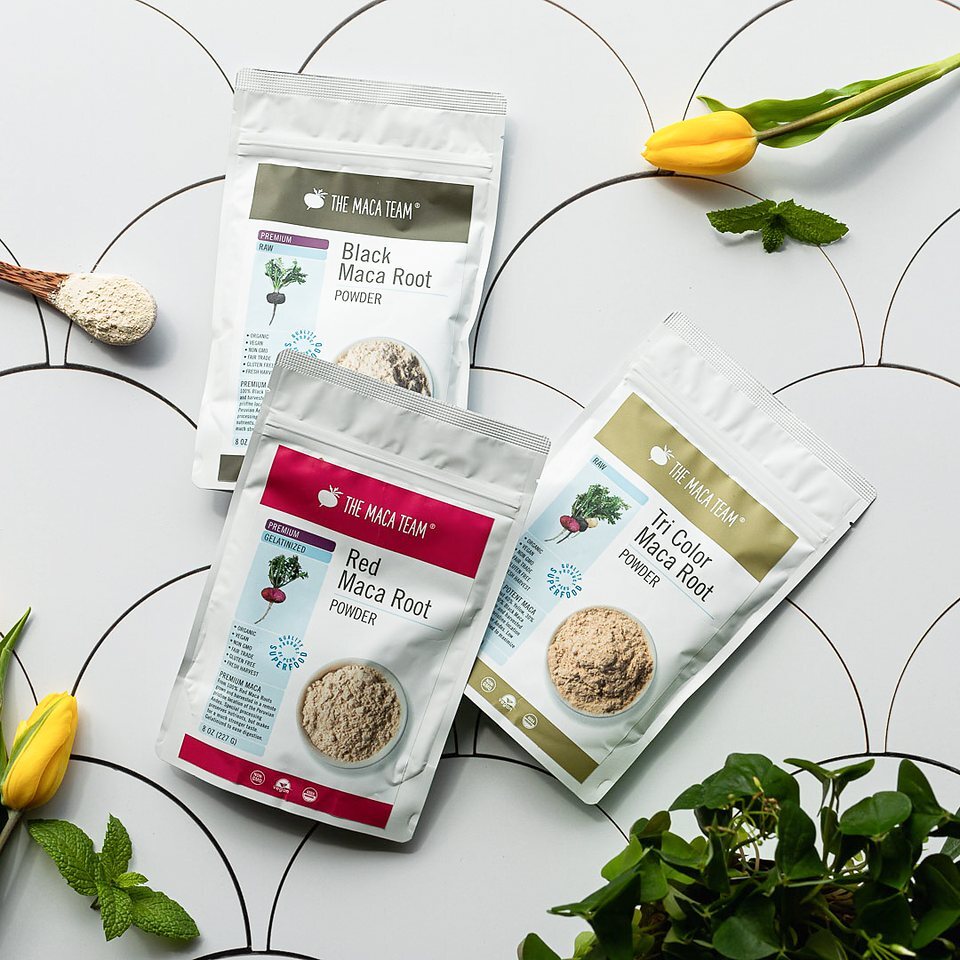
There is no single best maca for every student. The right choice depends on goals, digestion, taste preference, and convenience.
For most students, the best starting points are black maca, tri-color maca, or gelatinized maca.
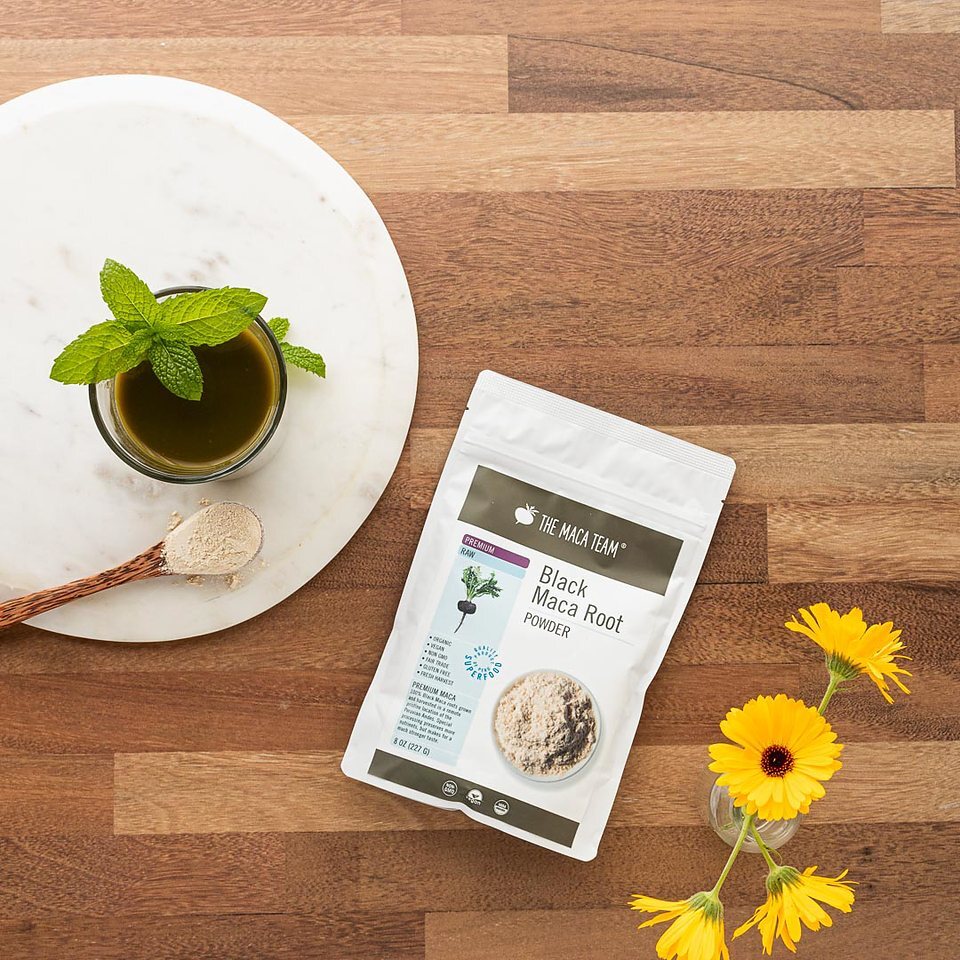
Black Maca for Focus, Stamina, and Active Days
Black maca is often chosen by people interested in stamina, active lifestyles, and performance-oriented routines.
For students who want maca mainly for long study days, focus routines, sports, or busy schedules, black maca may be a strong option.
This does not mean black maca is a proven study enhancer. It simply has a traditional and research-informed association with stamina and cognitive-related areas, especially in preclinical studies.
Best fit:
- Study stamina
- Active students
- Sports and training
- Busy school/work schedules
- Students who want a more performance-oriented maca
Tri-Color Maca for Balanced Daily Support
Tri-color maca combines red, black, and yellow maca. This makes it a good broad-spectrum choice for students who want balanced daily support and do not have one specific goal.
For many students, tri-color maca is the easiest recommendation because it includes all three maca colors in one product.
Best fit:
- General student wellness
- Daily energy support
- Beginners
- Students unsure which color to choose
- Balanced routines
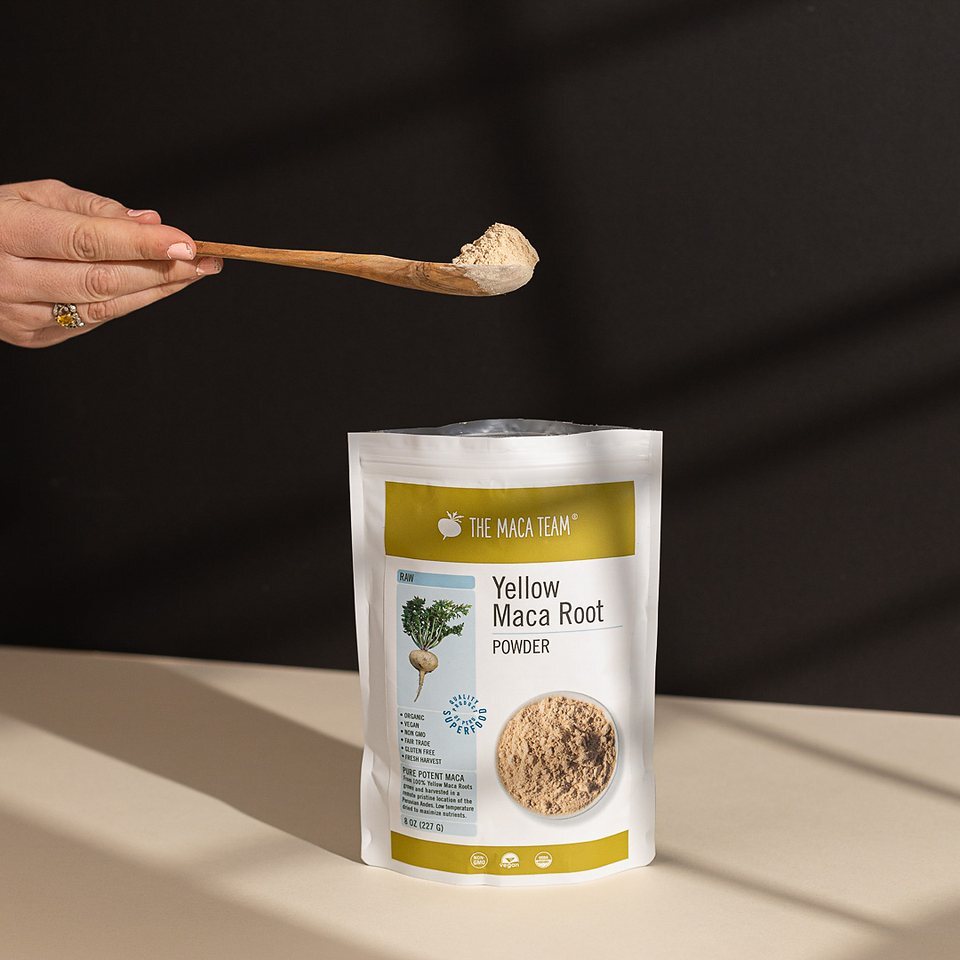
Yellow Maca for Everyday Use
Yellow maca is the traditional everyday maca. It can be a good starting point for students who want general wellness support in a simple, classic form.
It has a mild flavor and works well in smoothies, oatmeal, and warm drinks.
Best fit:
- Everyday use
- General wellness
- Students new to maca
- Simple morning routines
Gelatinized Maca for Sensitive Digestion
Gelatinized maca is pre-cooked and has had the starch removed. Many people find it easier to digest than raw maca.
For students with sensitive digestion, gelatinized maca is often the best place to start.
Best fit:
- Sensitive stomachs
- Warm drinks
- Easy digestion
- Students new to maca
- Daily breakfast routines
Maca Capsules for Convenience
Capsules are a good option for students who do not like the taste of maca or want something easy to take in a dorm room, backpack, or travel bag.
Best fit:
- Busy schedules
- Dorm life
- Travel
- Students who dislike powders
- Simple serving size
Liquid Maca Extracts for On-the-Go Use
Liquid maca extracts are convenient for students who want a quick option without mixing powder. They can be especially helpful for busy mornings or on-the-go schedules.
Best fit:
- Fast routines
- Travel
- Students who do not want powder
- Easy use before class or work
Simple Starting Point
If you are not sure where to begin, start with tri-color maca for balanced daily support, black maca for stamina-focused routines, or gelatinized maca if digestion is sensitive.
You can also visit our guide to which maca is best for a deeper comparison.
How Students Can Start Taking Maca
The easiest way to use maca is to attach it to something already happening every day.
For example:
- Add maca to a morning smoothie before class
- Stir maca into oatmeal
- Mix maca into a protein shake
- Add maca to yogurt or chia pudding
- Take maca capsules with breakfast
- Use liquid extract as part of a morning routine
Students should start with a small serving and increase gradually as needed. Taking maca with food is usually best, especially for those with sensitive digestion. For more detail, see our full guide to maca dosage.
A simple routine might look like this:
Morning
Take maca with breakfast, a smoothie, or oatmeal.
Midday
Eat a real lunch and hydrate.
Afternoon
Take a walk, stretch, or move your body before another study block.
Evening
Avoid taking maca too late if it feels energizing. Focus on winding down and protecting sleep.
A Simple Maca Routine for Students
If you are new to maca, start simple.
Week 1:
Use a small serving of maca with breakfast.
Week 2:
Continue daily use and notice how it fits with your energy, digestion, and routine.
Week 3 and beyond:
Adjust the format or type if needed. Try capsules for convenience, gelatinized maca for digestion, black maca for stamina-focused routines, or tri-color maca for balanced daily support.
The key is consistency.
Maca is not something most people evaluate from one serving. It works best as part of a steady habit.
What Maca Can and Cannot Do for Students
Maca may support:
- Daily energy
- Stamina
- General vitality
- Focus routines
- Active lifestyles
- Nutritional wellness
- A consistent morning habit
- A more balanced approach to student life
Maca does not replace:
- Sleep
- Meals
- Hydration
- Exercise
- Mental health care
- ADHD treatment
- Anxiety or depression treatment
- Medical care
- Academic planning
- Time management
This distinction is important.
Maca can be helpful, but it is not magic. The best results usually come when maca is used consistently alongside better habits.
Safety Considerations for Students
Maca is a food and is generally well tolerated by many adults, but students should still be thoughtful with any new supplement. You can read more in our guide to maca safety and side effects.
This is especially important for students who:
- Are under 18
- Are pregnant or nursing
- Take prescription medications
- Have thyroid concerns
- Have hormone-sensitive conditions
- Have anxiety, panic symptoms, or significant sleep problems
- Have digestive sensitivity
- Have a diagnosed medical condition
- Are using other supplements, stimulants, or performance products
Students should avoid using maca as part of extreme dieting, sleep deprivation, stimulant stacking, or “exam week survival” routines.
General guidance: If you are unsure whether maca is right for you, check with a qualified healthcare professional before using maca or any new supplement.
Why Quality Matters
Not all maca is the same.
Maca quality can vary depending on where it is grown, how it is processed, whether it is truly Peruvian, how it is stored, and whether it is properly tested.
At The Maca Team, we have focused on maca for more than 20 years. We specialize in organic Peruvian maca sourced from trusted growers and carefully processed to preserve maca’s natural qualities.
We also believe maca education should be honest. That means explaining what maca may support while also being clear about what remains unproven.
For students, this matters. If you are adding something to your daily routine, you want it to be clean, authentic, and reliable.
The Maca Team offers several student-friendly options, including maca powders, capsules, extracts, and blends. Students who want the simplest daily option may prefer tri-color maca. Students focused on stamina and study routines may want to explore black maca. Students with sensitive digestion may do best starting with gelatinized maca.
To learn more about our quality standards, visit our pages on maca sourcing, testing and Certificates of Analysis, and our standards.
Frequently Asked Questions About Maca for Students
Is maca good for students?
Maca may be a good fit for students who want food-based support for energy, stamina, focus routines, and overall wellness. It should be used as part of a healthy routine, not as a replacement for sleep, meals, or medical care.
Can maca help with studying?
Maca may support the foundation for better studying by contributing to steady energy, nourishment, and daily consistency. However, it should not be described as a proven study drug or treatment for attention issues.
Does maca help with focus?
Maca may support focus routines indirectly by helping students build a steadier energy and nutrition habit. It should not be presented as a treatment for ADHD, poor concentration, or cognitive problems.
Does maca work like caffeine?
No. Maca is not caffeine and does not usually provide an immediate stimulant effect. Many people use it for steadier daily energy rather than a quick jolt.
What is the best maca for students?
Tri-color maca is a good balanced option for general student wellness. Black maca is often chosen for stamina, active lifestyles, and focus-oriented routines. Gelatinized maca may be best for students with sensitive digestion.
Is black maca best for studying?
Black maca is often chosen by students interested in stamina, focus routines, and active lifestyles. However, it should not be described as a proven study enhancer. It is best used as part of a healthy routine that includes sleep, meals, movement, and good study habits.
Can high school students take maca?
Parents or guardians should be involved in any supplement decision for students under 18. Younger students should check with a qualified healthcare professional before using maca.
Can college students take maca every day?
Many adults use maca daily as part of a wellness routine. It is usually best to start with a small serving, take it with food, and pay attention to how your body responds.
When should students take maca?
Most students do best taking maca earlier in the day, such as with breakfast or lunch. Some people find maca energizing, so taking it late at night may not be ideal.
Can maca replace energy drinks?
Maca is not a direct replacement for caffeine, but it may be part of a healthier energy routine for students who want to rely less on sugary or highly caffeinated drinks.
Can maca help with stress?
Maca may support general resilience and wellness routines, but it should not be used as a treatment for anxiety, depression, burnout, panic attacks, or chronic stress. Students experiencing significant stress should seek appropriate support.
How long does it take to notice maca?
Maca is best evaluated over time. Many people use it consistently for several weeks before deciding how it fits into their routine.
Related Reading
If you are exploring maca for student wellness, these pages may be helpful next steps:
Final Thoughts
Student life requires energy, focus, flexibility, and resilience. But the answer is not always more caffeine, later nights, or pushing harder.
Sometimes the better approach is to build a steadier foundation.
Maca may be a helpful part of that foundation. It is a traditional Peruvian root food that can be added to smoothies, oatmeal, capsules, extracts, or daily wellness routines. It may support energy, stamina, nutrition, and overall vitality for students who want a more balanced approach to academic life.
The best place to start is simple: choose a maca that fits your routine, take it with food, use it consistently, and keep the bigger picture in mind.
Sleep still matters. Meals still matter. Movement still matters. Support still matters.
Maca is one helpful part of the picture, not the whole picture.
Not Sure Where to Start?
For balanced student wellness, many people begin with tri-color maca. For stamina-focused study routines and active days, black maca may be a better fit. If digestion is sensitive, gelatinized maca is often the easiest place to begin.
Enjoy the day!

References and Further Reading
- CDC: Sleep and Health for Students
- CDC: The Buzz on Energy Drinks
- American Academy of Pediatrics: Sports Drinks and Energy Drinks for Children and Adolescents
- Memorial Sloan Kettering Cancer Center: Maca
- NIH / PMC: A Comprehensive Review of the Effects of Maca
- The Maca Team: Maca Testing and Certificates of Analysis
- The Maca Team: Our Standards